
The term fouling is used extensively in the heat transfer industry, but what does it mean for an existing heat exchanger and what should you consider when designing a new heat exchanger?
With over 40 years’ experience in the heat transfer industry, Teralba has seen and understands the effects of fouling in heat transfer processes. Any amount of fouling can affect the heat transfer process, reducing the heat exchangers efficiency and preventing it from operating within its design parameters.
The Causes of Fouling
So, what causes this problematic build-up? The answer, unfortunately, is not a simple one. Fouling is influenced by a complex interplay of factors, including:
Fluid properties
The type of fluids flowing through the exchanger plays a big role. Water with high mineral content is more prone to scaling, while organic fluids can promote the growth of bacteria.
Operating conditions
Temperature, pressure, and flow velocity all affect the rate and type of fouling. Higher temperatures can accelerate the precipitation of minerals, while slower flow rates allow particles to settle more easily.
Heat exchanger design
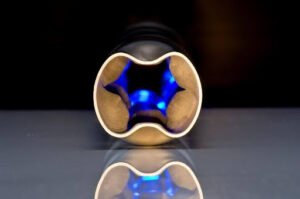
The design of the heat exchanger itself can influence fouling. Smooth surfaces are more susceptible to deposition compared to dimpled ones.

Evidence of fouling on inner heat exchanger Tube.
The Consequences of Fouling
When these deposits accumulate, they act like a thermal insulator, reducing heat transfer between the fluids. This leads to a number of problems:
Decreased efficiency
The heat exchanger has to work harder to achieve the desired temperature difference, leading to increased energy consumption.
Higher pressure drops
Fouling restricts fluid flow, requiring higher pump power to maintain circulation.
Potential for equipment failure
In severe cases, complete blockage can occur, shutting down the entire process.
Detecting and Preventing the Problem
The good news is that fouling is a preventable problem. Here’s how to stay ahead of the curve:
Regular monitoring
Keep an eye on key parameters like outlet temperatures, pressure drops, and flow rates. Deviations from normal readings can indicate potential fouling.
Preventive maintenance
Schedule periodic cleaning of the heat exchanger to remove accumulated deposits. Chemical cleaning or mechanical methods like brushing or high-pressure water jets may be employed.
Optimising flow rates
Maintaining sufficient fluid velocity helps to prevent particles from settling on the surfaces.
Water treatment
Pre-treating water to remove impurities can help to reduce scaling and corrosion.
Material selection
Choosing heat exchanger materials that are resistant to specific types of fouling can be beneficial.
By understanding heat exchanger fouling and taking proactive measures, you can ensure your thermal systems operate at peak efficiency for years to come.
Dimpleflo as the ultimate proved solution to Heat Exchanger Fouling
Dimpleflo heat exchangers offer a novel approach to fouling prevention. Their unique dimpled surface design promotes turbulence within the flow, creating self-scouring eddies that dislodge and remove potential fouling deposits. This eliminates the need for frequent cleaning or chemical additives.
Benefits of Dimpleflo Heat Exchangers
Reduced Fouling
The self-scouring action minimises deposit build-up, leading to sustained heat transfer efficiency.
Lower Maintenance Costs
Reduced cleaning frequency translates to lower labour and downtime costs.
Improved Product Quality
Consistent heat transfer helps maintain product quality and prevent issues like burnt flavours.
Fouling is a significant challenge in heat exchanger operation. Dimpleflo technology offers a compelling solution by promoting self-scouring and minimising fouling. This innovative design translates to improved efficiency, reduced maintenance, and enhanced product quality in various industrial applications.
 Teralba Industries